Cacao Percentage Explained: What 55%, 70%, and 85% Mean
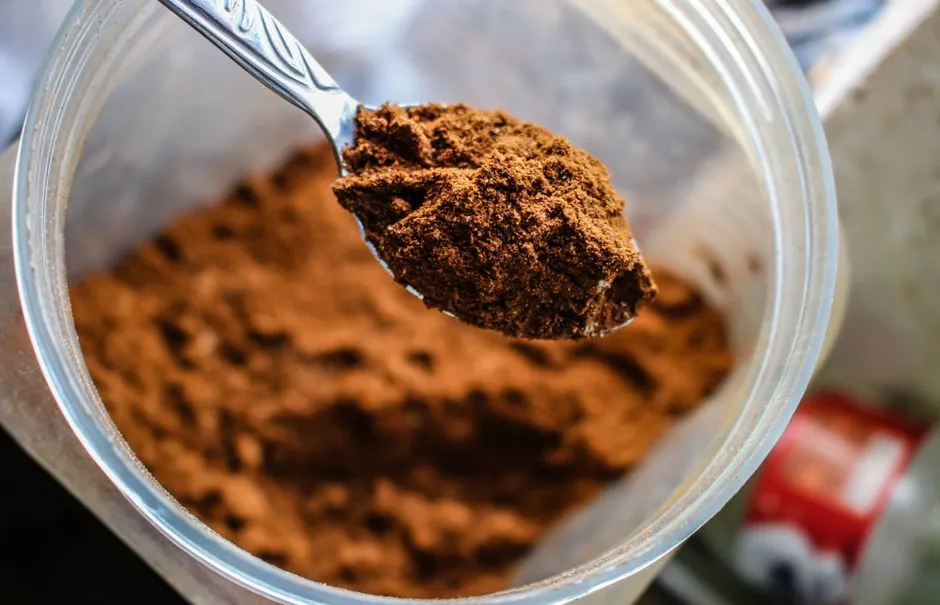
- Cacao percentage counts cocoa-derived ingredients
- What the percentage includes
- What 55%, 70%, and 85% usually mean in the kitchen
- Percentage is not the same as cocoa-solids percentage
- How percentage changes a baking formula
- Choosing chocolate for ganache
- Cacao percentage does not tell you these things
- What about milk chocolate and white chocolate?
- A better way to choose a bar
Cacao percentage counts cocoa-derived ingredients
A 70% chocolate bar contains 70% cacao-bean ingredients by weight: some combination of cocoa solids and cocoa butter. The remaining 30% contains sugar and, depending on the bar, milk ingredients, vanilla, emulsifier, or other additions. The percentage does not tell you how that 70% divides between dry cocoa solids and cocoa butter.
That distinction explains why two 70% bars can taste and behave differently. One may contain more cocoa butter and melt fluidly; another may contain more nonfat cocoa solids and feel thicker or more intense. Origin, roasting, fermentation, conching, sugar level, and recipe all matter alongside the number.
Treat 55%, 70%, and 85% as useful composition markers, not quality scores. A higher number usually means less room for sugar, but it does not automatically mean better chocolate, stronger aroma, greater bitterness, or better baking results.
What the percentage includes
Dark chocolate begins with cacao beans processed into cocoa mass, also called chocolate liquor. That mass naturally contains both cocoa butter and nonfat cocoa solids. A maker can add extra cocoa butter to adjust how the chocolate melts and flows. Both the cocoa mass and added cocoa butter count toward the cacao percentage.
In a 100 g bar labeled 70%, the arithmetic is simple:
- 70 g comes from cacao ingredients;
- the other 30 g comes from all remaining ingredients combined.
Do not translate that into “30 g sugar” without checking the ingredient and nutrition labels. A plain dark bar may come close, but milk powder, flavoring, nuts, emulsifier, or other ingredients also occupy part of the non-cacao share.
The ingredient list adds context because ingredients appear in descending order by weight. If cocoa mass comes first and sugar second, cocoa mass is the larger ingredient. If the package gives a percentage but not the split between cocoa mass and added cocoa butter, the exact fat-to-solids balance remains unknown.
What 55%, 70%, and 85% usually mean in the kitchen
The percentages form a spectrum, but each bar's formula still controls its final behavior.
| Cacao percentage | Typical impression | Useful starting point |
|---|---|---|
| 55% | Sweeter, softer chocolate flavor | Cookies, brownies, glazes, and desserts written for semisweet chocolate |
| 70% | Less sweet, more cocoa-forward | General dark-chocolate baking, ganache, dipping, and eating |
| 85% | Very low sweetness and concentrated cocoa flavor | Recipes specifically balanced for high-percentage chocolate or small tasting portions |
These are not legal flavor categories or guaranteed performance bands. “Semisweet” and “bittersweet” can overlap in percentage, and sweetness perception changes with roast, acidity, salt, vanilla, and cacao origin.
What 55% chocolate means
A 55% bar leaves 45% of its weight for sugar and any other non-cacao ingredients. In a plain dark bar, that usually produces a familiar semisweet balance. It can be a forgiving choice when a recipe asks broadly for semisweet chocolate and supplies much of the dessert's cocoa flavor through the bar.
It is not necessarily lower in cocoa butter than a 70% bar. The percentage combines cocoa butter and dry cocoa solids, so only the full formula—or the bar's behavior when melted—can answer that.
What 70% chocolate means
A 70% bar leaves 30% for everything outside the cacao portion. This range often works as an all-purpose dark chocolate because it brings pronounced cocoa flavor without removing nearly all of the bar's sweetness.
Still, one 70% product is not a drop-in performance match for every other one. A fluid couverture-style chocolate may contain more cocoa butter than a thicker bar at the same percentage. For dipping or molding, confirm that the fat is cocoa butter and follow the working ranges in our chocolate tempering guide.
What 85% chocolate means
An 85% bar leaves only 15% for sugar and other additions. It will usually taste much less sweet than a 55% or 70% bar, but “more bitter” is not a mathematical certainty. Careful fermentation and roasting can produce an 85% bar with less harshness than a poorly made lower-percentage bar.
In baking, 85% chocolate can make a formula taste drier or more austere because it contributes much less sugar and a different balance of cocoa material. Use it when the recipe specifies a similar percentage or when you are prepared to rebalance the formula.
Percentage is not the same as cocoa-solids percentage
Everyday packaging often uses “cacao percentage,” “cocoa percentage,” or “cocoa content” for the total bean-derived portion. That total can include both nonfat cocoa solids and cocoa butter. It is therefore different from a statement that refers specifically to nonfat cocoa solids.
This matters because the two components do different jobs:
- Cocoa butter melts near body temperature, carries flavor, and affects fluidity, snap, and set.
- Nonfat cocoa solids bring color, acidity, bitterness, aroma compounds, starch, and particles that thicken a mixture.
Two bars can share a cacao percentage while supplying different amounts of each. The front number cannot predict viscosity by itself, which is why a percentage alone does not tell you whether a chocolate is suitable for a thin molded shell.
How percentage changes a baking formula
Chocolate is not just flavoring. It contributes fat, dry cocoa material, and sugar at the same time. Changing the percentage changes all three relationships, even if the number of grams of chocolate stays fixed.
Suppose a recipe uses 170 g chocolate. At 60%, that chocolate contains 102 g cacao ingredients and 68 g other ingredients. At 85%, it contains 144.5 g cacao ingredients and only 25.5 g other ingredients. The second choice adds 42.5 g more cacao-derived material and removes 42.5 g from the non-cacao share. Because the label does not reveal how much of the added cacao portion is fat versus nonfat solids, you cannot repair the substitution by adding a single predictable amount of sugar or butter.
For brownies, cakes, and cookies, stay close to the percentage range named in the formula. A shift of a few percentage points is usually less disruptive than replacing a 55% chocolate with an 85% bar, but the product recipe and the dessert still matter.
Choosing chocolate for ganache
Ganache ratios are measured by weight, and the chocolate's composition affects the set. A darker, higher-percentage chocolate commonly makes a less sweet, firmer ganache than a lower-percentage dark chocolate at the same chocolate-to-cream ratio, but cocoa-butter content can change that result.
Start with the percentage range specified in the recipe, make a small batch, and let it cool fully before adjusting. If the recipe gives only “dark chocolate,” a bar around 60% to 70% is a practical starting range. Our ganache ratio guide explains why white and milk chocolate need different ratios rather than a simple percentage swap.
Cacao percentage does not tell you these things
The front-of-package number cannot establish:
- whether the beans were well fermented or roasted;
- whether the flavor will be fruity, nutty, earthy, acidic, or smoky;
- how much of the cacao portion is cocoa butter;
- whether the melted chocolate will be fluid enough for molding;
- whether sugar, cocoa mass, or another ingredient leads the formula;
- whether the chocolate suits the sweetness and structure of your recipe.
Read the ingredient list with the percentage. For a dairy-free need or another allergy concern, read the allergen statement and manufacturing information as well; the cacao number says nothing about cross-contact or milk ingredients.
What about milk chocolate and white chocolate?
Milk chocolate's cacao percentage still counts its cacao-derived ingredients, while milk solids and sugar sit in the remaining share. A higher percentage does not erase the milk; check the ingredient list.
White chocolate contains cocoa butter but no nonfat cocoa solids. Its cocoa percentage, when stated, therefore refers to cocoa butter rather than the dark particles that provide classic chocolate color and flavor. This is a useful reminder that “cacao percentage” does not mean “darkness.”
Unsweetened 100% chocolate contains cacao material without added sugar and is intensely flavored. Cocoa powder may also be labeled 100% cocoa, but most of its cocoa butter has been pressed out. The two are not interchangeable: one brings substantial fat, while the other behaves as a dry powder. Our natural-versus-Dutch cocoa guide covers the processing difference between cocoa powders.
A better way to choose a bar
Use three checks instead of treating the largest number as the winner:
- Match the recipe. Stay within its stated chocolate type and percentage range.
- Read the ingredients. Note the order of cocoa mass, sugar, cocoa butter, milk, and other additions.
- Match the job. Eating, brownie batter, ganache, and molded shells do not demand the same sweetness or fluidity.
For tasting, compare bars at the same percentage before comparing 55% with 85%. That separates maker and origin differences from the large change in sugar and cacao content.
The percentage answers one precise question: how much of the chocolate's weight comes from cacao ingredients. It does not grade craftsmanship or predict every flavor and texture. Use it as a starting measurement, then let the ingredient list, recipe, and intended technique finish the decision.